Making Space for Compassion and Clarity: Op-Ed
By Swati Gautam (Teacher)
If I could change one thing in the education system, it would be to nurture empathetic individuals with a deep sense of gratitude. Schools must dedicate time for self-awareness and expression, ensuring every child has space to think and reflect. In today’s world, we need sensitive individuals who can see beyond false propaganda and view everyone as human beings.
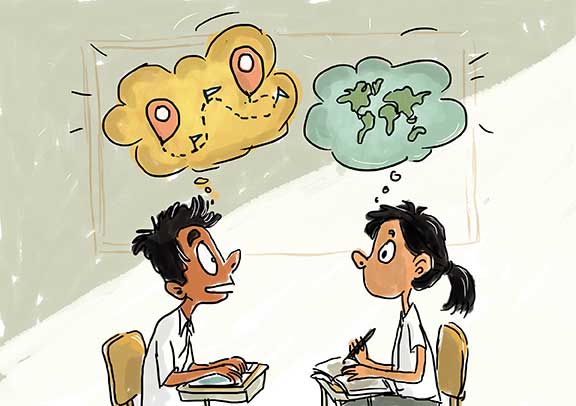
This begins with teachers. Reflective writing and workshops should be part of teacher training. The B.Ed curriculum must focus on critical thinking and reflection. In classrooms, circle time should become a regular practice, providing a safe space for listening with compassion and respect. Gratitude can only be cultivated through self-reflection and expression. Schools must move away from memory-based summative assessments for young children. Instead, assessments should be drawn from everyday behaviour and interactions. Children should be nudged to become patient and empathetic. I dream of classrooms where children reflect on what they read and experience, where they question, reason, and filter biases. Such individuals will grow into thoughtful and independent human beings.
Moreover, when it comes to education, dialogue must be given paramount importance. Children should have opportunities to express views on issues and events around the world, with their voices heard patiently and respectfully. Schools must nurture equality and social justice early on, helping children interact with marginalised communities and question assumptions about poverty and inequality. In my classroom, I strive to make every story, poem, and drama relevant. Instead of spoon-feeding answers, I encourage inquiry and discussion, so that understanding becomes personal and meaningful. This nurtures the ability to respect differing opinions and gradually shapes children into compassionate human beings.
If every school nurtures gratitude through small, meaningful practices, children will not only grow academically, but also into humane, aware, and grateful citizens. This must become a conscious national policy across all schools—rural or urban, government or private. In my classroom, I encourage students to notice the people who support them daily—the staff who cook, clean, and create a safe space. I want them to act with fairness and sensitivity, motivated from within. Alongside the basics of reading and writing, we ask “Why”: Why are we learning this? Why is it important? How does it relate to the world? These questions spark empathy and ground learning in real-world relevance. Stories play a vital role. They allow children to reflect, build resilience, and think critically without being told what to conclude. Stories provoke thought, stir feelings, and open dialogue. They build bridges between people and hearts. When a child listens deeply—not just with ears but with empathy—he / she becomes more human and whole. If I had the chance to bring lasting change, I would integrate these practices with my teaching style to cultivate empathy and gratitude. Schools must not remain factories producing subject experts without emotional connection. Instead, they should become spaces where essential human values are lived every day.
If we truly want a world free of conflicts and boundaries, we must nurture emotional intelligence early—through critical thinking, empathy, relevance in learning, and joyful, expressive classrooms. Most importantly, we must remind ourselves that education is not just about what we know but about who we become. These changes will raise a generation of conscious, kind, and courageous individuals—young people who shape the society with compassion and clarity. This is an abridged version of an article that was published in Teacher Plus, September 2025 edition.